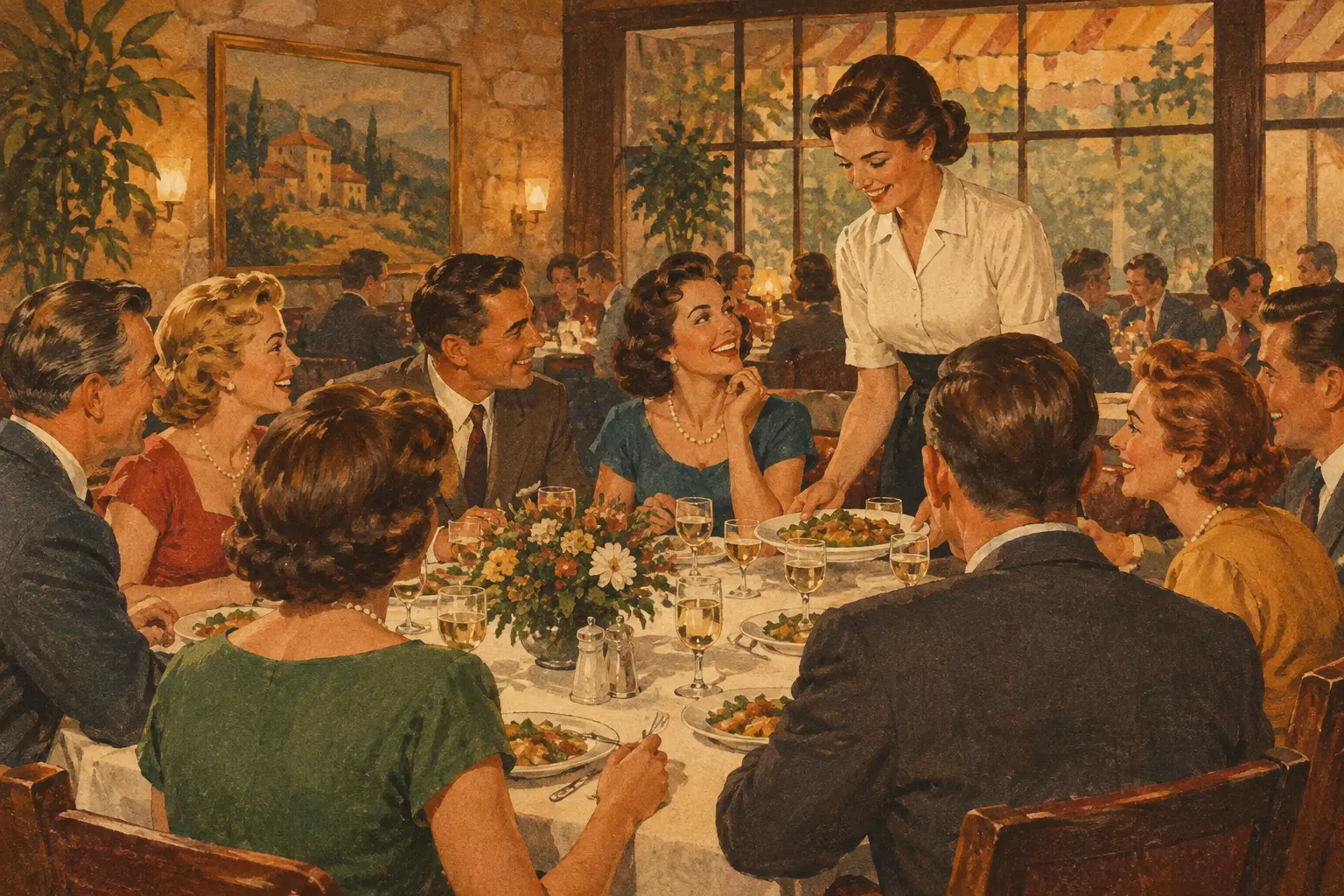
A long table filled with friends, shared plates, a bottle poured at just the right moment, and the welcome hum of conversation can turn an ordinary dinner into a true occasion. But can restaurants accommodate large parties without losing the quality, comfort, and attentive service that make the evening feel special? In many cases, yes - provided the reservation is planned with care and the restaurant has the right setting, kitchen rhythm, and group-dining options.
For celebrations, family reunions, business dinners, and milestone moments, the best group meal feels easy for guests. Behind that ease is thoughtful coordination between the organizer and the restaurant.
Can Restaurants Accommodate Large Parties Well?
A restaurant's ability to host a larger group is about far more than moving tables together. The dining room layout matters, as does the size of the kitchen, the number of staff on the floor, and how many other reservations are already booked. A group of 10 at an early dinner may be simple to arrange, while the same party on a busy Saturday evening may require a dedicated area, a set menu, or a different seating time.
Fine dining restaurants are often especially well suited to planned group occasions because they can shape the experience in advance. Rather than placing a large party into a standard reservation flow, the team can prepare the table, pace courses together, and make sure every guest is served with the same care. This preserves the feeling of a refined meal while allowing the group to relax into the occasion.
The strongest answer is never simply "yes" or "no." It depends on the number of guests, the date and time, the style of gathering, and the flexibility of the group. A thoughtful restaurant will be clear about what is possible and offer an arrangement that feels considered rather than crowded.
What Makes Group Dining Feel Effortless
The atmosphere is often the first thing guests remember. Large parties need enough room to speak comfortably, move between seats, and enjoy the evening without feeling as though they are interrupting surrounding tables. A private dining space can be ideal for speeches, presentations, or a lively family celebration. For a more relaxed social dinner, a beautifully arranged long table in the main dining room can bring guests into the warmth of the restaurant while still giving the group a sense of occasion.
Food service is equally important. An à la carte menu gives each guest freedom, especially when a group includes different tastes. Yet for bigger tables, a carefully composed set menu can make the evening flow more smoothly. It reduces long pauses between courses, helps the kitchen serve everyone at a similar pace, and gives the host one less decision to manage.
Italian cuisine is naturally generous in a group setting. Antipasti placed at the center of the table create an immediate sense of Italian togetherness. A progression of creamy risotto, handmade pasta, wood-fired pizza, fish, or premium meat allows guests to enjoy familiar Italian flavors prepared with finesse. The goal is not to rush the meal, but to give it a rhythm: a welcoming first course, unhurried conversation, and a memorable finish.
Choose the Right Type of Reservation
Before contacting a restaurant, it helps to decide what your gathering needs. A dinner for eight colleagues after a meeting has different priorities than a 25-person birthday dinner. The first may call for efficient service and a polished setting; the second may benefit from more space, a shared menu, and room for a toast.
Most larger reservations fall into one of four arrangements:
- A regular group table in the main dining room, ideal for smaller celebrations that want to enjoy the energy of the restaurant.
- A preselected set menu, designed to offer a consistent, well-paced experience for every guest.
- A private dining arrangement, well suited to confidential business dinners, family milestones, and events with speeches.
- A partial or full venue gathering, appropriate when the guest list, event format, or desired privacy goes beyond a single table.
There is no single best option. A private room offers focus and flexibility, but some guests may prefer the lively atmosphere of a full dining room. A set menu brings ease and pacing, while à la carte dining offers greater individual choice. The right balance comes down to the purpose of the event and the preferences of the people around the table.
Give the Restaurant Details Early
The earlier a large party is discussed, the more thoughtfully it can be hosted. Restaurants need time to reserve suitable space, schedule the appropriate level of service, and coordinate with the kitchen. For popular dates, weekends, holiday periods, and major Amsterdam events, early planning is particularly valuable.
When making the inquiry, share the guest count, preferred date, preferred arrival time, and the reason for the gathering. Mention whether guests will need vegetarian, vegan, gluten-free, or allergy-conscious options. Dietary needs should never be an afterthought, especially for a shared menu, because the best experience allows every guest to enjoy each course confidently.
It also helps to be open about the tone of the evening. Will there be a short speech? Is the group looking for a quick business dinner or a long, celebratory meal? Would guests like a wine pairing or a welcome aperitif? These details let the restaurant recommend a format that supports the occasion instead of merely fitting the headcount.
A final guest count is usually essential. Large groups affect table plans, ingredient preparation, staffing, and menu execution. Confirming numbers by the restaurant's requested deadline helps the team deliver polished hospitality and helps the organizer avoid unexpected changes.
Why Set Menus Often Work Better for Bigger Tables
A set menu is not a compromise when it is designed well. It can be one of the most enjoyable ways to experience authentic Italian cuisine, particularly for a group that wants to spend less time choosing and more time connecting.
The kitchen can build a menu around the season and the character of the restaurant, from elegant antipasti through pasta courses such as truffle ravioli to a carefully prepared main course and dessert. Courses arrive with a natural cadence, tables are served more evenly, and the whole group can share the same culinary story. At the same time, a good set-menu arrangement should account for dietary requirements and offer alternatives where needed.
For hosts, the practical benefits are meaningful. A prearranged menu provides greater clarity around budget and reduces the awkward pause of collecting individual choices from a long table. For guests, it creates a sense of generosity: the meal begins, plates arrive, and the evening unfolds without constant decisions.
Questions Worth Asking Before You Book
A confident booking starts with a few direct questions. Ask whether the restaurant has a minimum or maximum group size for private dining, whether a set menu is required, and when final menu selections and guest numbers are due. If your event has a particular budget, ask what is included, such as courses, coffee, water, or beverage options.
You may also want to ask about the table configuration. One long table encourages a shared experience, while several round or smaller tables can make conversation easier for very large groups. For corporate dinners, check whether the space suits a brief welcome or presentation. For celebrations, ask whether you can bring a cake or whether the restaurant can arrange a special dessert moment.
Clear questions are not demanding. They are the foundation of a relaxed evening for everyone involved.
A Refined Group Dinner in Central Amsterdam
For guests gathering in the city center, Savini Ristorante Italiano brings together a polished setting, warm Italian hospitality, and a menu with room for different appetites. Whether the table is drawn to pesto, truffle ravioli, seafood, meat, or a crisp wood-fired pizza, group dining can still feel personal when the menu and service are planned around the occasion.
The finest large-party dinners do not feel like logistics. They feel like a table set with intention, food made to be enjoyed slowly, and time given back to the people who matter. Start the conversation early, share what you hope the evening will feel like, and let the restaurant help turn a gathering into a celebration.