
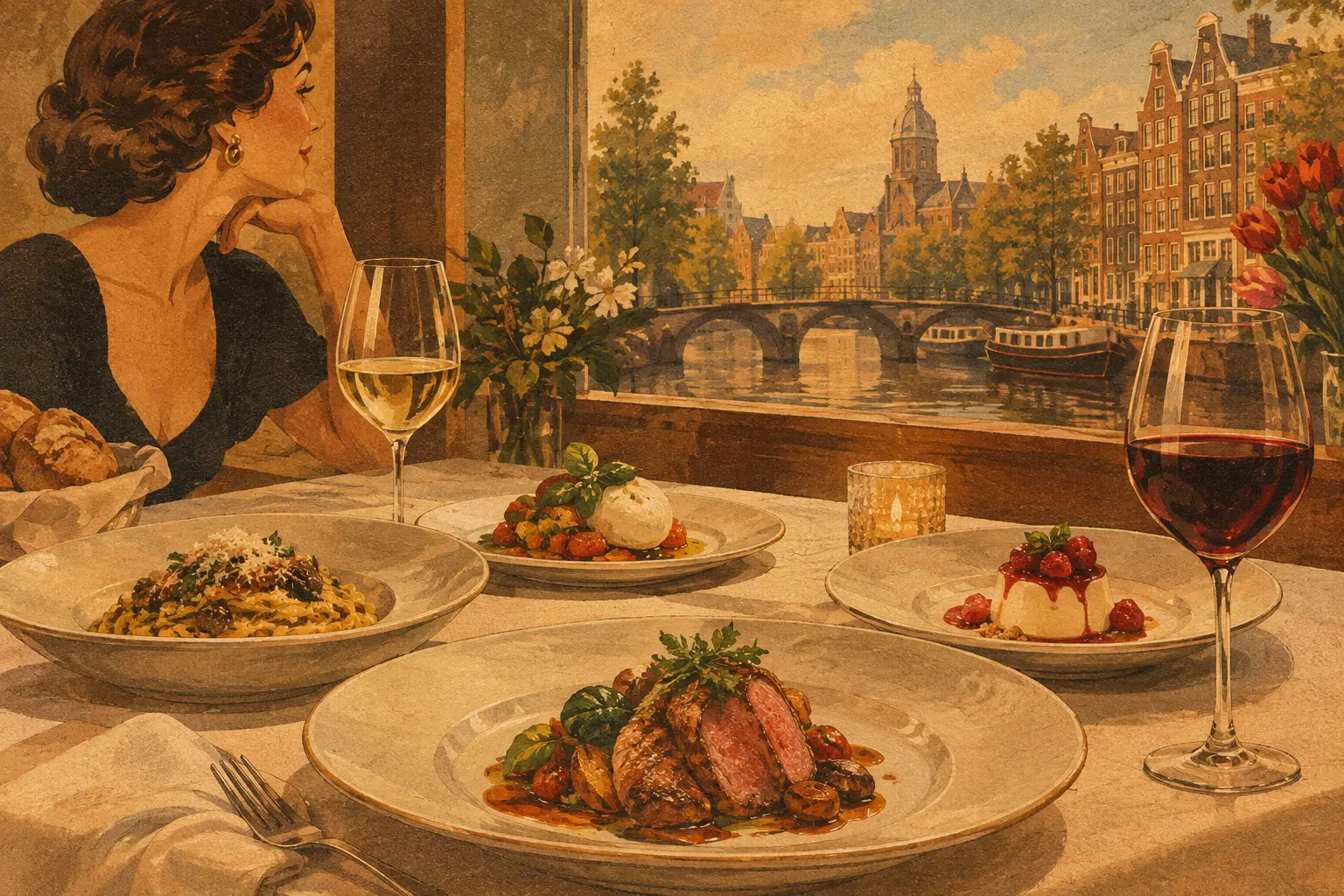
A memorable dinner in Amsterdam should feel connected to the moment you are in. The first tender asparagus of spring, sun-ripened tomatoes in summer, earthy mushrooms as the evenings cool, and citrus-rich seafood in winter all bring a different character to the table. A seasonal Italian tasting menu Amsterdam experience turns those changing ingredients into a dinner with rhythm, generosity, and a distinctly Italian sense of occasion.
For a date night, a long-awaited dinner with friends, or a celebration in the city center, a tasting menu offers more than a sequence of courses. It creates space to settle in, share conversation, and let the kitchen guide the evening. The best versions remain faithful to the regional traditions that make Italian food so loved, while presenting each dish with care and a contemporary touch.
What makes a seasonal Italian tasting menu special?
Italian cooking has always been closely tied to seasonality. A plate needs no unnecessary complexity when the ingredient at its peak has been chosen well. Sweet peas and delicate herbs call for a lighter hand than autumn squash. A deeply flavored winter ragù asks for a pasta shape that holds its sauce, while warm-weather fish benefits from brightness, olive oil, and a touch of lemon.
That is the appeal of a seasonal tasting menu. Each course has a purpose, but the experience never needs to feel formal or distant. An opening antipasto might bring crunch, creaminess, and acidity. Fresh pasta can add warmth and comfort in the middle of the meal. A fish or meat course offers depth, followed by a dessert that brings the dinner to a graceful close.
The menu may change, but its Italian character remains recognizable. Expect the balance that defines authentic Italian cuisine: excellent products, precise preparation, and flavors that know when to be generous and when to stay quiet.
Seasonal Italian tasting menu Amsterdam: what to expect
A well-considered tasting menu should feel satisfying without becoming overwhelming. The number of courses matters less than the pacing. A shorter menu can be ideal before a theater performance, after a day exploring Amsterdam, or for a polished business dinner with a clear schedule. A more relaxed multi-course dinner suits anniversaries, birthdays, and evenings when the table is the destination.
The meal often begins with antipasti designed to awaken the palate. Depending on the season, this could mean a bright vegetable preparation, creamy burrata with a carefully chosen accompaniment, or seafood with a clean, fresh finish. These first plates set the tone: thoughtful, inviting, and made for enjoying with a glass of wine and good company.
Pasta or risotto is where Italian warmth becomes impossible to miss. Handmade pasta offers texture and depth that reward unhurried dining. A truffle ravioli can bring a luxurious, aromatic note in the cooler months, while pesto, herbs, or delicate seafood can make a pasta course feel lighter when the weather turns warm. Creamy risotto also changes beautifully with the market, from spring vegetables to mushrooms and rich seasonal cheeses.
The main course is an opportunity for the kitchen to show both restraint and technique. Premium fish may be prepared to highlight its natural sweetness, while a carefully selected meat dish can offer deeper, roasted flavors. The right accompaniment matters here. Seasonal greens, a silky purée, or a simple pan sauce can complete the plate without competing with its centerpiece.
Dessert should not be an afterthought. Italian-inspired sweets are often most effective when they combine comfort with contrast: creamy against crisp, bitter espresso notes against gentle sweetness, or fruit at its seasonal best alongside a light finish.
Why the season changes the whole dinner
Seasonality is not simply a restaurant phrase. It affects flavor, texture, and even the mood of the meal. In spring, menus tend toward tender vegetables, herbs, and elegant preparations that feel fresh after winter. Summer invites tomatoes, zucchini, stone fruit, and seafood dishes that pair naturally with chilled white wine.
Autumn is the season of deeper aromas. Mushrooms, truffle, pumpkin, and slow-cooked sauces create a more comforting style of Italian dining. Winter brings citrus, rich broths, roasted meats, and the sort of pasta dishes that encourage guests to linger over one more conversation.
Of course, a seasonal menu should not become rigid. The best kitchens honor the season while leaving room for the ingredients that are simply exceptional at a given moment. That flexibility is part of culinary excellence. It allows a menu to feel alive rather than fixed months in advance.
Choosing the right dinner for your occasion
A tasting menu works especially well when you want dinner to feel considered from the moment you sit down. For couples, it removes the small decisions that can interrupt a relaxed evening and replaces them with a shared experience. For visitors, it is a delicious way to enjoy Italian regional flavors without trying to decode a long menu after a busy day in the city.
For families and friends, the choice depends on the group. A tasting menu can make a birthday or reunion feel more celebratory, particularly when everyone is eager to try several courses together. If the table includes very different appetites or younger diners, an à la carte approach may offer more flexibility. The most welcoming Italian meals make room for both preferences.
Business groups benefit from a set format as well. Courses arrive with a natural flow, service remains organized, and guests can focus on the conversation. When planning a larger gathering, dietary needs and timing are worth discussing in advance. A refined restaurant should be able to help shape an evening that feels personal while remaining easy to host.
Pairing wine with seasonal Italian flavors
Wine pairing can add another layer to the meal, but it should support the food rather than turn dinner into a lesson. Crisp Italian whites often suit seafood, citrus, fresh herbs, and lighter antipasti. A textured white can stand up well to creamy risotto or ravioli, while an elegant red finds its place alongside mushrooms, truffle, and premium meat.
There is also no rule that every guest must follow the same pairing. One person may prefer a carefully chosen glass with each course; another may enjoy one favorite bottle throughout the evening. What matters is that the wine feels generous and appropriate to the table.
At Savini Ristorante Italiano on Spuistraat, seasonal ingredients, authentic Italian cuisine, and warm hospitality come together for guests seeking a fine Italian dining experience without losing the pleasure of a welcoming meal. The setting suits intimate dinners as naturally as it does family celebrations and professional gatherings.
A few details that make the evening better
For a tasting-menu dinner, allow enough time to enjoy it. Rushing through several courses misses the point, especially when the experience is meant to be shared. An early reservation can be a lovely choice before an event, while a later table invites a slower, more celebratory pace.
It also helps to mention dietary requirements when reserving. Seasonal menus are built around a particular culinary idea, and advance notice gives the kitchen the best chance to accommodate guests thoughtfully. For groups, agreeing on the menu format beforehand keeps the evening relaxed once everyone arrives.
The beauty of Italian dining is that it can be polished without becoming stiff. A seasonal tasting menu gives an evening a sense of occasion, yet its real value is simpler: beautiful ingredients, prepared with confidence, enjoyed around a table where no one feels hurried to leave.