
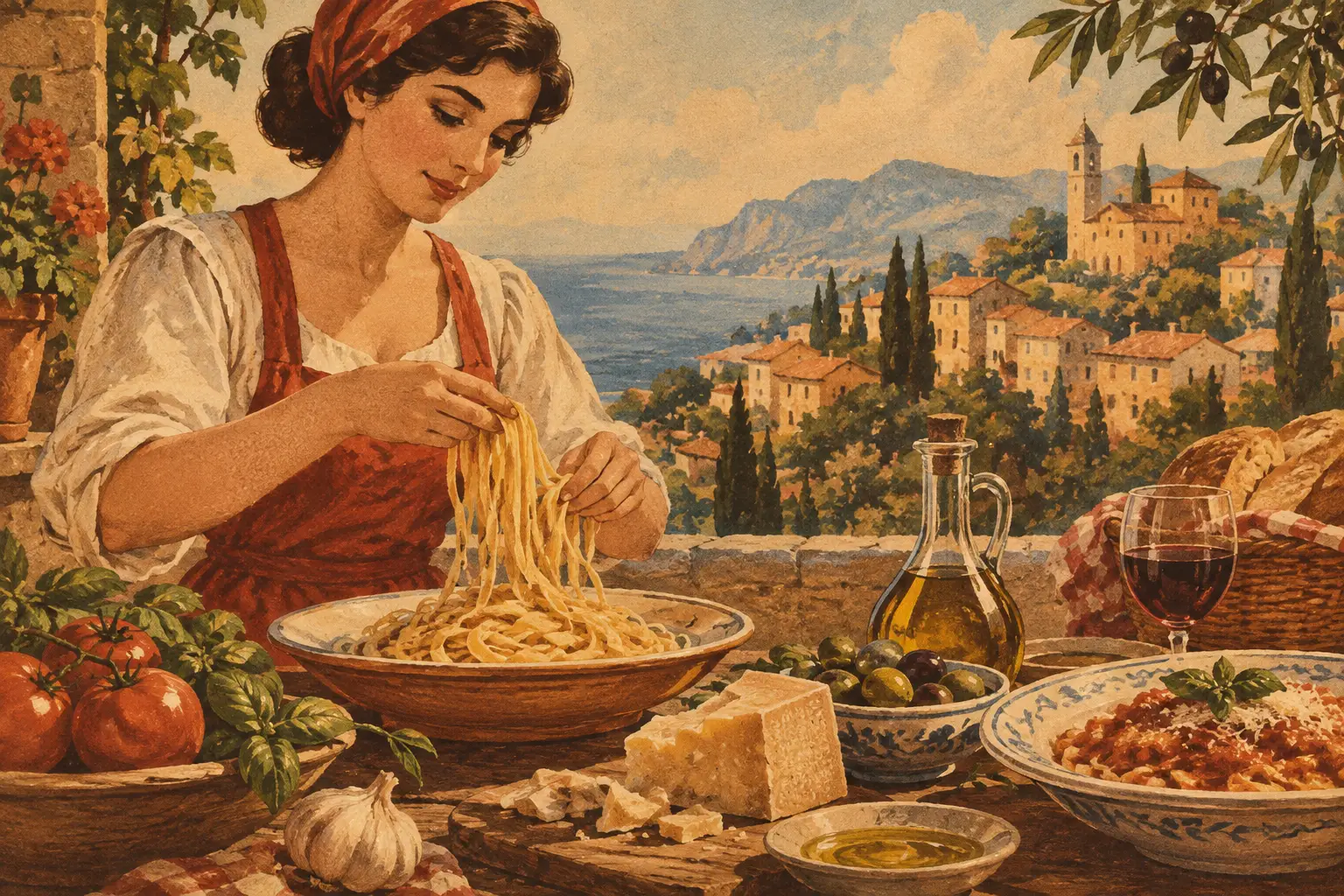
A plate of pasta can be Italian without being authentic. The difference is often found in the details: tomatoes at their peak, pasta cooked to the right bite, a sauce that supports rather than covers, and a recipe that respects where it came from. So, what is authentic Italian cuisine? It is not one fixed menu or a strict set of rules. It is a way of cooking that places regional tradition, excellent ingredients, balance, and the pleasure of sharing a meal at the center.
For diners, authenticity should feel generous rather than intimidating. It may be a silky risotto that tastes deeply of its stock, a wood-fired pizza with a light, blistered crust, or truffle ravioli served with enough restraint to let its filling shine. At its best, Italian food is simple in appearance and precise in execution.
What Is Authentic Italian Cuisine Built On?
Authentic Italian cuisine begins with respect for ingredients. Italy's most memorable dishes are rarely built from long lists or elaborate decoration. Instead, they ask a few beautiful elements to do their job well: ripe vegetables, fragrant olive oil, aged cheese, fresh seafood, carefully selected meat, and flour suited to the pasta or dough being made.
This simplicity is often mistaken for ease. In reality, cooking with fewer ingredients leaves little room to hide. A tomato sauce needs sweetness and acidity in balance. A cacio e pepe needs properly emulsified cheese and pasta water, not a heavy cream sauce. A grilled fish needs freshness, confident seasoning, and exact timing. Culinary excellence lies in these small decisions.
Seasonality matters, too. Spring peas, summer tomatoes, autumn mushrooms, and winter citrus each bring a different character to the table. An authentic Italian kitchen adapts its dishes to what is at its best, while preserving the familiar flavors guests look forward to. Tradition is not static. It is sustained through care.
Italy Is Many Cuisines, Not One
There is no single Italian cooking style. The food of Italy changes dramatically from region to region, shaped by climate, landscape, local agriculture, and centuries of family cooking. A menu that treats all Italian food as interchangeable misses the most exciting part of the country’s culinary identity.
Northern Italy: Rice, Butter, and Slow-Cooked Comfort
In the north, rice, polenta, butter, and rich cheeses often take a prominent role. Risotto, when prepared well, is creamy because the rice releases its starch gradually as it is cooked, not because it is flooded with cream. It should have movement on the plate and a tender but defined grain.
Piedmont is known for its prized truffles, while Emilia-Romagna has given the world many beloved pasta traditions, including filled pasta and ragù served with ribbons of egg pasta. These are dishes of patience, depth, and quiet richness.
Central Italy: Pasta, Pecorino, and Clear Flavors
Central Italian cooking is often direct and bold. Rome is celebrated for pasta dishes built around a small number of ingredients, such as pecorino, eggs, cured pork, pepper, and tomato. The point is not to make them complicated. The point is to achieve the correct texture, temperature, and proportion.
In Tuscany and Umbria, olive oil, beans, grilled meats, and rustic breads appear frequently. The flavors are grounded and satisfying, with an emphasis on ingredients that speak for themselves. A fine Italian dining experience can honor this rustic spirit while presenting each dish with polish and care.
Southern Italy and the Islands: Sun, Sea, and Brightness
Further south, tomatoes, citrus, eggplant, chilies, seafood, and olive oil become especially central. Naples is the home of pizza in its most iconic form, where dough fermentation, a hot oven, and a restrained topping hand are essential. A great pizza should be light enough to enjoy from the first slice to the last, with a crust that carries both char and chew.
Sicily brings together Arab, Greek, Spanish, and Italian influences in dishes that can be sweet, savory, briny, and aromatic at once. Coastal cooking across the south celebrates fish and shellfish with bright herbs, lemon, and olive oil. These dishes often look effortless, but depend on ingredients that are impeccably fresh.
Technique Gives Familiar Dishes Their Character
Authenticity is not only about selecting Italian ingredients. It is also about knowing how to treat them. Pasta should be chosen for the sauce it carries. Delicate sauces cling to fine strands, while slow-cooked ragù belongs with wider shapes that can hold its weight. Fresh pasta offers tenderness and richness; dried durum-wheat pasta provides a firmer texture and can be the better choice for many sauces.
The same attention applies to pizza, risotto, meat, and fish. Dough needs time to develop flavor. Risotto requires gradual cooking and a final resting moment before it is served. Premium meat benefits from proper aging, high heat, and a period of rest after cooking. Fish asks for restraint, because its natural flavor is easily lost beneath excessive seasoning.
This is why authentic does not mean identical every time. A chef may bring a contemporary interpretation to a classic through presentation, sourcing, or a thoughtful pairing. The dish remains faithful when its essential flavor, technique, and cultural logic are still intact. Innovation can be welcome. It simply should not erase the reason a dish became beloved in the first place.
Why Italian Meals Are Made for Sharing
Italian cuisine is also a culture of the table. Antipasti invite conversation before the main course arrives. Pasta creates a natural pause to savor the meal. A shared bottle, a dessert passed around, and an espresso after dinner extend the occasion beyond the food itself.
That sense of Italian togetherness is one reason the cuisine works so well for different moments. It can make a date night feel intimate, turn a family celebration into a long, joyful evening, or give a business dinner the warmth that formal meeting rooms often lack. The best service supports that experience: attentive without rushing, knowledgeable without formality for its own sake.
For group dining, variety matters. A well-composed Italian menu can welcome the guest who wants handmade pasta, the friend ordering seafood, the pizza lover, and the person choosing a premium meat dish. Shared starters and considered set menus help a larger table feel connected while still allowing individual tastes to be respected.
Authenticity Is Not a Performance
It is tempting to look for authenticity in surface details: red-and-white tablecloths, a long Italian name on a menu, or dishes piled high with ingredients. None of these are reliable measures. Authentic Italian cuisine is felt in the confidence of the cooking and the generosity of the hospitality.
It also depends on context. A restaurant outside Italy may not replicate every regional ingredient exactly, particularly when seasonality and responsible sourcing are considered. What matters is an honest approach: understanding the original dish, selecting the best available products, and preparing them with skill rather than relying on shortcuts.
At Savini Ristorante Italiano in central Amsterdam, that approach comes alive through regional Italian flavor traditions, seasonal ingredients, and refined cooking that still feels welcoming. From antipasti and creamy risottos to wood-fired pizzas, truffle ravioli, and carefully prepared fish and meat, the aim is not to imitate Italy from a distance. It is to create a memorable Italian table for the people gathered around it.
The next time you choose an Italian restaurant, look beyond the name of the dish. Notice whether the pasta has texture, whether the sauce is balanced, whether the ingredients taste alive, and whether the room encourages you to linger. Those are the quiet signs of a meal made with real Italian spirit - and they are often the ones you remember long after the last course.