
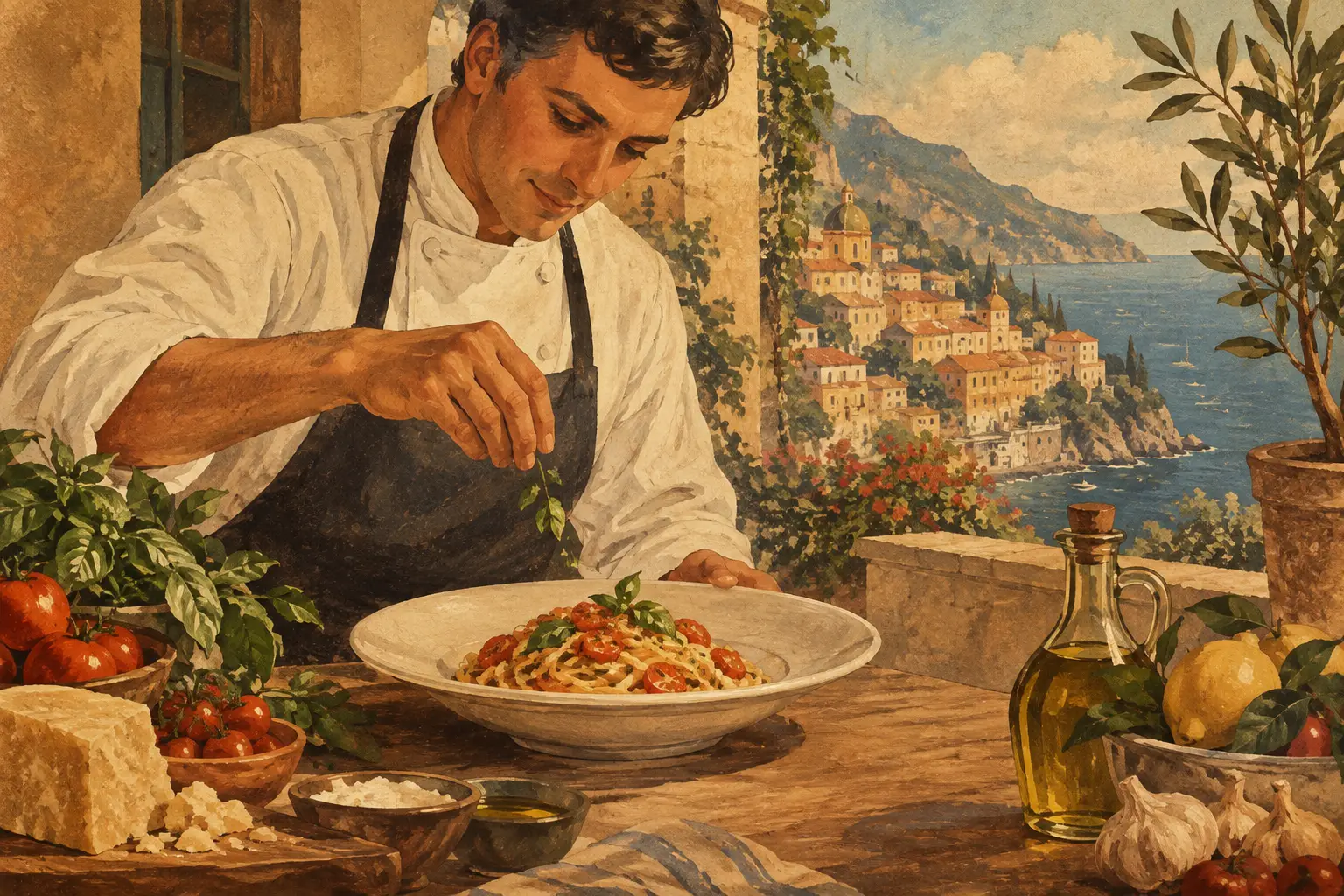
A plate of truffle ravioli can feel unmistakably Italian while arriving with a lighter sauce, sharper presentation, and a greater focus on the pasta itself. That balance answers the question, what is modern Italian cuisine? It is not a departure from Italy’s culinary identity. It is a thoughtful continuation of it, shaped by seasonal ingredients, precise technique, and the way people like to dine now.
For guests in Amsterdam, modern Italian cuisine offers something especially appealing: the comfort of familiar dishes, prepared with the care and polish suited to a memorable dinner. It can be intimate enough for a date night, generous enough for a family celebration, and refined enough for a business gathering without losing the warmth that makes Italian food so enjoyable to share.
What Is Modern Italian Cuisine, Exactly?
Modern Italian cuisine respects the foundations of traditional regional cooking while interpreting them for contemporary tastes and expectations. It begins with ingredients rather than trends: ripe tomatoes, fragrant basil, excellent olive oil, aged cheese, fresh seafood, carefully selected meat, and flour treated with serious attention.
The modern element appears in the choices around those ingredients. A chef may clarify a sauce rather than make it heavy, use a seasonal vegetable in an unexpected role, or plate a classic course with more restraint. The goal is not to make Italian food unrecognizable. It is to let the essential flavors speak more clearly.
This distinction matters. Italian cuisine is often reduced to a short list of internationally known dishes, but Italy’s food culture is deeply regional. Northern risottos, Roman pasta, Neapolitan pizza, Sicilian citrus and seafood, and the rich ragùs of Emilia-Romagna all come from different climates, histories, and local habits. Modern Italian cooking keeps that sense of place alive while allowing room for thoughtful evolution.
Tradition Is the Starting Point, Not a Limitation
A contemporary Italian menu should still feel grounded in the dishes guests know and love. Pasta is made to celebrate texture and sauce, not to carry an excess of competing flavors. Risotto should remain creamy through patient cooking, not through unnecessary heaviness. A wood-fired pizza should have a tender, blistered crust and quality toppings that complement rather than overwhelm it.
What changes is the level of refinement. A chef may use a more delicate broth in a risotto, finish ravioli with a measured touch of truffle, or pair a premium fish with bright herbs and a seasonal accompaniment. These decisions preserve the dish’s character while making every component feel intentional.
There is also a difference between modern and merely fashionable. A fleeting food trend can add novelty, but it does not automatically improve a plate. Modern Italian cuisine works best when innovation has a reason: better flavor, a clearer expression of an ingredient, a more balanced meal, or a more beautiful experience at the table.
Seasonal Ingredients Lead the Menu
Seasonality is one of the strongest signs of a serious Italian kitchen. When ingredients are at their best, they need less manipulation. Sweet summer tomatoes call for simplicity. Earthy mushrooms and truffles bring depth in cooler months. Spring peas, asparagus, and tender greens add freshness to pasta and risotto. Fresh fish can guide a dish more naturally than a fixed formula ever could.
This does not mean every menu must change completely each week. Guests rightly expect beloved classics to remain available. Instead, a well-curated menu balances dependable favorites with seasonal details. The familiar pleasure of pasta, pizza, seafood, and meat remains, while the kitchen finds the right moment for an exceptional ingredient.
For diners, that approach creates variety without uncertainty. You can order a comforting Italian classic, then discover a special that reflects the season and the chef’s attention. It makes returning for dinner feel rewarding.
Technique Brings Lightness and Precision
Modern Italian cuisine often feels more composed than the red-sauce stereotype many Americans know. Sauces may be reduced to concentrate flavor, emulsified with olive oil, or built from a clean stock. Pasta is cooked al dente so it retains its bite. Fresh herbs, citrus, and high-quality cheese are used with purpose, giving richness and brightness in the same dish.
Presentation also plays a role, but not as decoration for its own sake. A thoughtfully arranged plate helps guests see the main ingredient, understand the balance of the dish, and anticipate the flavors ahead. The best presentation feels elegant but never precious. It should invite the first bite, not make anyone hesitate to take it.
Portion size can reflect this same philosophy. Fine Italian dining is not about leaving hungry. It is about pacing a meal so antipasti, pasta or risotto, a main course, and dessert each have their moment. For a relaxed dinner, that progression creates conversation as naturally as it creates appetite.
Familiar Dishes Can Still Surprise You
The most successful modern Italian dishes are often the ones that seem simple at first glance. Consider pesto. Its traditional character depends on freshness, balance, and texture: aromatic basil, nuts, cheese, garlic, and olive oil. A contemporary interpretation may adjust the proportions, pair it with a different pasta shape, or use the season’s greens alongside basil. Yet it should still taste like pesto.
The same applies to truffle ravioli. It can be luxurious, but luxury does not need to mean excess. Fine pasta, a smooth filling, a fragrant truffle note, and a sauce that supports rather than buries the dish can create a far more memorable result than an overloaded plate.
Pizza also belongs in this conversation. A wood-fired oven delivers heat that creates the distinctive puffed edge and subtle char guests expect. Modernity may show in the quality of the dough fermentation, the sourcing of toppings, or a more considered combination of flavors. The heart of the pizza remains wonderfully direct: dough, fire, and excellent ingredients.
Italian Hospitality Completes the Experience
Food is only part of what makes modern Italian cuisine meaningful. In Italy, the table is a place for lingering, storytelling, celebrating, and reconnecting. That spirit matters just as much in a city-center restaurant as it does in a family home.
Warm, knowledgeable service helps guests enjoy a menu with confidence. It can mean suggesting a wine for a seafood course, helping a group select a set menu, or making a special occasion feel personal without making it formal or stiff. The dining room should feel polished, but the welcome should feel genuine.
This is especially valuable when different guests come together with different preferences. One person may want a wood-fired pizza, another a creamy risotto, and another a carefully prepared fish or meat dish. A broad, focused menu makes it possible to share an Italian meal without compromise. For group dinners, thoughtful planning and well-paced courses turn a reservation into an occasion.
The Balance Is What Makes It Modern
Not every Italian classic benefits from reinterpretation. Sometimes the most contemporary choice a chef can make is to leave a superb traditional recipe alone. A beautiful cacio e pepe, a proper ragù, or a simple grilled fish needs no theatrical twist when the ingredients and execution are excellent.
At the same time, a restaurant should not treat tradition as a museum display. Diners’ tastes, ingredient availability, and culinary knowledge continue to develop. The challenge is to move forward without losing the emotional truth of the food. When a dish tastes rooted, generous, and alive, it has achieved that balance.
At Savini Ristorante Italiano, this idea can be felt in a menu that brings regional Italian flavors together with contemporary preparation, from antipasti and risotto to pizza, pasta, fish, and premium meat. It gives guests the freedom to make the evening their own, whether that means a quiet table for two or a long table filled with friends, family, or colleagues.
The next time you choose an Italian restaurant, look beyond whether the menu is traditional or modern. Look for the care in the ingredients, the confidence in the cooking, and the welcome at the table. Those are the details that turn dinner into Italian togetherness.