
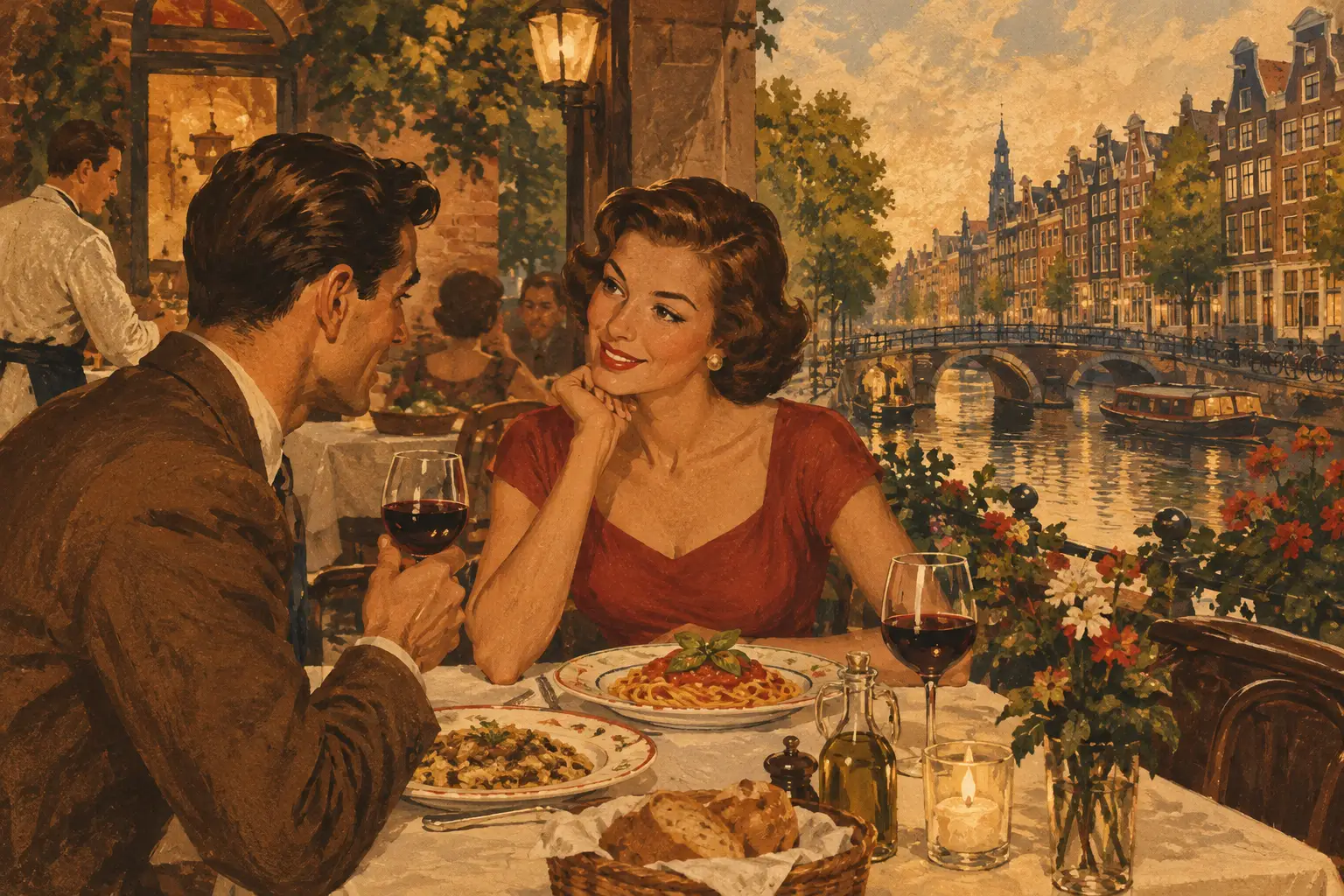
A bowl of pasta can be comforting anywhere. In Amsterdam, it can also be the centerpiece of a long-awaited date night, a family celebration, or a business dinner after a full day in the city. The best Italian restaurants Amsterdam has to offer understand that distinction: they bring together recognizable Italian warmth, carefully prepared food, and a setting that invites guests to stay at the table a little longer.
For visitors and locals alike, the choice is not simply between pizza and pasta. It is about finding the right kind of evening. A casual meal before a show calls for something different from an anniversary dinner, while a group gathering needs more planning than an impromptu dinner for two. Here is what to look for when choosing an Italian table in the heart of Amsterdam.
What Makes Italian Dining Worth Seeking Out
Italian cuisine is broad by nature. It moves from the bright simplicity of antipasti to slow, creamy risotto, delicate filled pasta, wood-fired pizza, and elegant preparations of fish and meat. A thoughtful restaurant does not try to represent every region at once. Instead, it builds a focused menu around dishes it can prepare with real care.
That focus matters. A shorter, intentional selection often signals that ingredients are chosen for their season and quality, rather than added merely to fill a page. Look for a menu where familiar dishes still feel considered: a pesto with freshness and depth, pasta cooked with the right bite, a sauce that supports rather than overwhelms, and pizza with a properly blistered crust.
The best meals also balance tradition with a contemporary touch. There is room for classic recipes, but presentation, seasoning, and technique should feel polished. This is the pleasure of fine Italian dining: food that feels generous and recognizable, prepared with the precision that makes a special dinner memorable.
How to Choose Among Italian Restaurants Amsterdam Offers
The right restaurant depends on the occasion, your group, and the kind of food you genuinely want to eat. A beautiful dining room alone is not enough if the menu cannot satisfy the table. Before reserving, consider the experience from the first aperitif through dessert.
Start With the Occasion
For a date night, atmosphere carries real weight. Soft lighting, attentive service, and enough space for conversation can turn dinner into an occasion without making it feel formal or distant. Choose a place where sharing antipasti feels natural and where the pacing leaves room to enjoy another glass of wine or dessert.
For a birthday or family dinner, menu range becomes more valuable. One guest may want truffle ravioli, another may be drawn to seafood, and someone else may only be happy with a well-made pizza. A restaurant that offers each with equal care makes organizing easier and keeps the gathering centered on enjoyment rather than compromise.
Business dinners require a different balance. The setting should feel polished enough for clients and colleagues, while the service must remain warm, clear, and efficient. Central location, flexible seating, and the possibility of set menus are practical details that can make a professional evening run smoothly.
Read the Menu Beyond the Headlines
Words such as authentic and homemade are appealing, but the menu should provide a sense of substance. Notice whether it has a clear flow, with antipasti to begin, a considered pasta or risotto selection, and satisfying main courses for guests who prefer meat or fish. This progression gives a dinner rhythm and lets every guest choose according to appetite.
Seasonality is another encouraging sign. Italian cooking has always relied on allowing excellent ingredients to do much of the work. A menu that changes thoughtfully through the year may feature richer flavors when the weather is cool and lighter, brighter ingredients in warmer months.
It is also worth checking whether the kitchen gives pizza the attention it deserves. Wood-fired pizza is not simply a faster option on an Italian menu. At its best, it has a light, charred edge, balanced toppings, and dough with flavor of its own. At a fine-dining restaurant, it can sit comfortably beside handmade-style pasta and premium entrées.
Let Hospitality Guide the Experience
Great Italian hospitality is attentive without hovering. It is the welcome at the door, a genuine recommendation when choices are difficult, and the sense that the table is being looked after throughout the evening. This quality is especially meaningful in a busy city-center restaurant, where visitors may be arriving after travel and locals may be escaping a packed schedule.
Reviews can help reveal this side of an experience. Specific comments are more useful than general praise. When guests remember a pesto dish, truffle ravioli, or the warmth of the service, they are describing the details that stay with them after dinner.
A City-Center Dinner With Room to Linger
Amsterdam's center offers immediate access to museums, canals, theaters, shops, and hotels. It also means dining rooms can become busy quickly, especially on weekends and during travel season. Reserving ahead is the simplest way to protect the evening you have in mind.
Location should work for the whole plan, not only the meal. A restaurant near the center is ideal for meeting friends arriving from different parts of the city, welcoming out-of-town guests, or continuing an evening nearby. Yet convenience does not need to mean a rushed experience. The most inviting rooms create a pause from the movement outside, giving guests the feeling of stepping into a convivial Italian dinner.
At Savini Ristorante Italiano on Spuistraat, authentic Italian cuisine is shaped around this balance: elevated cooking, an approachable welcome, and a menu that moves from antipasti and risotto to wood-fired pizza, pasta, fish, and meat. It is a fitting choice when you want the flexibility of a city-center location without losing the pleasure of a properly paced meal.
Planning a Dinner for a Larger Table
Italian food is naturally suited to gathering. Sharing starters brings a table together before individual courses arrive, and a menu with several categories means diverse tastes can be accommodated without making the experience feel fragmented. Still, groups benefit from a little preparation.
For celebrations, ask about menus designed for parties. Set menus can make ordering more relaxed, keep timing consistent, and allow the kitchen to deliver courses at their best. They are particularly helpful when a group includes guests unfamiliar with each other, because the meal itself provides an easy, generous rhythm to the evening.
Private dining can be the better choice for a milestone birthday, company dinner, or family event where speeches, presentations, or a more personal setting are part of the plan. The trade-off is that private arrangements often need earlier booking and a clearer guest count. In return, the host can spend less time managing details and more time sitting with the people they invited.
Dietary needs should be shared when making the reservation, especially for a larger party. Italian menus can offer naturally appealing options across vegetables, cheese, seafood, and meat, but advance notice gives the restaurant the best chance to guide each guest well. Clear communication is part of good hosting on both sides of the table.
What to Order for a Complete Italian Evening
A well-paced order usually begins with a few antipasti for the table. This is the moment for variety: perhaps something crisp and fresh alongside a richer, more savory plate. It encourages conversation and gives everyone a taste of the kitchen before choosing their main course.
For the next course, follow appetite rather than rules. Pasta is the natural choice when you want comfort and craftsmanship in the same bowl. Ravioli with truffle can feel celebratory, while a well-made risotto brings a slower, silkier kind of satisfaction. Pizza is ideal for diners who value its wood-fired character or prefer a more relaxed style of meal.
When the evening calls for something more formal, fish or meat can offer a refined centerpiece. This is where a restaurant's technique becomes especially visible: precise cooking, balanced sauces, and accompaniments that enhance the main ingredient instead of competing with it.
Save room for a final shared moment if you can. Dessert, coffee, and a last conversation are not an afterthought in Italian dining. They are often the part of the meal where the table settles into its best mood.
A memorable Italian dinner in Amsterdam does not need an elaborate reason. Choose a table that values ingredients, offers a menu your guests will enjoy, and makes everyone feel genuinely welcome. Then give the evening the one thing it cannot do without: enough time to savor it together.